
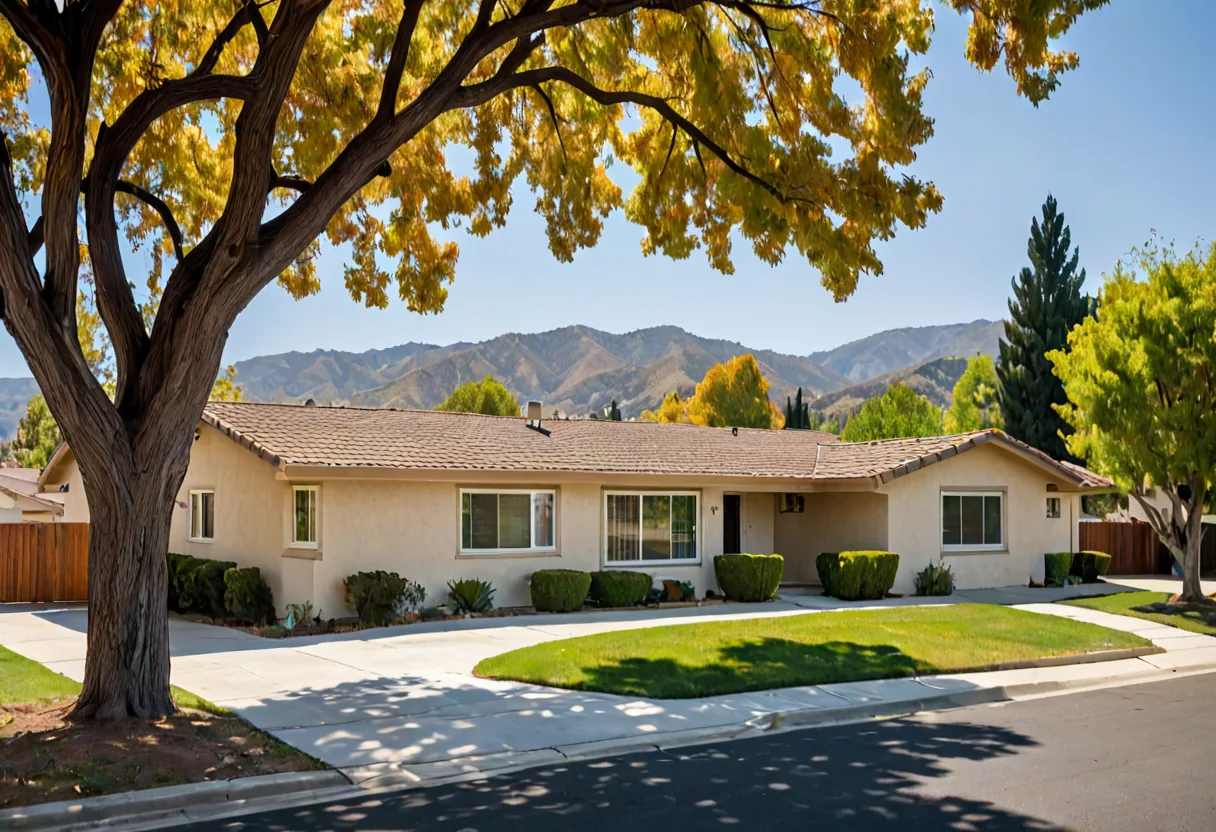
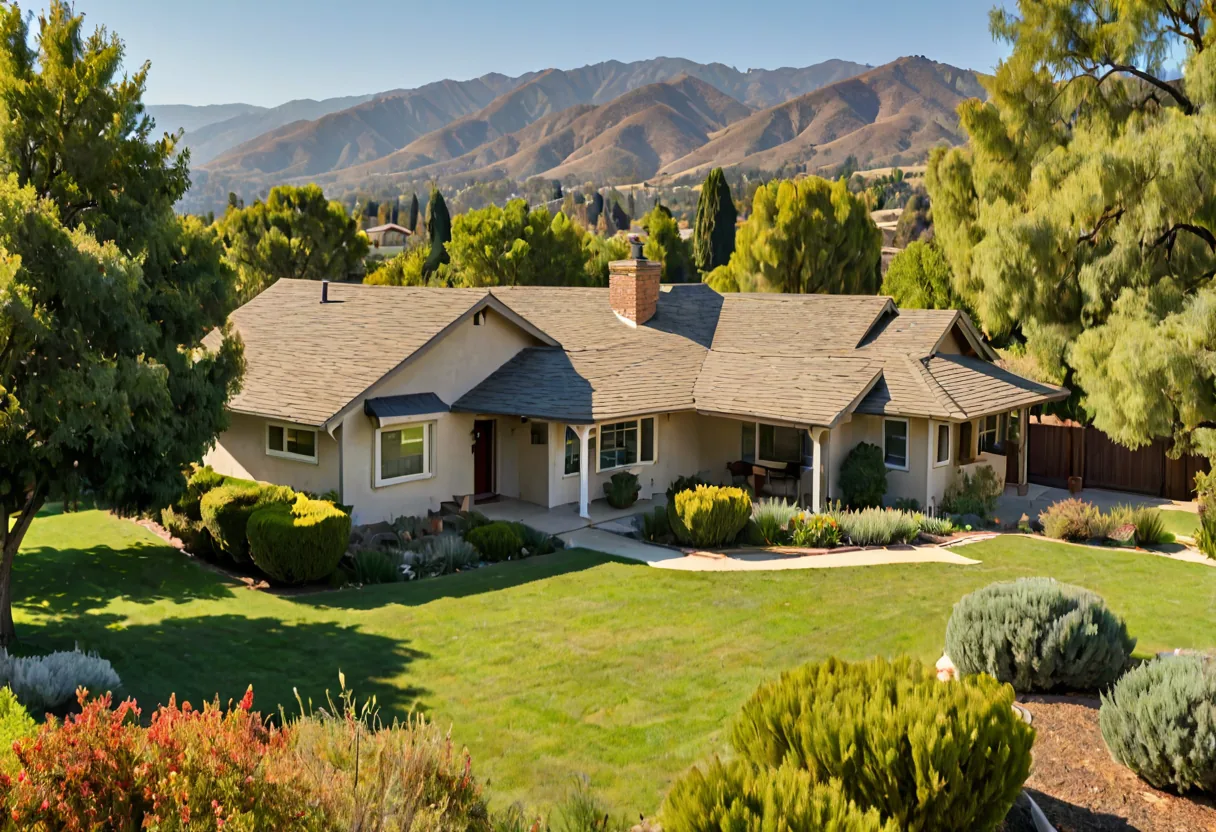
“They are an amazing construction company. They gutted and redesigned my entire kitchen, created an island, opened up the space to the living room and the entire front of the house. My house looks completely different and much, much more inviting. They make great suggestions. They stayed within the budget and even gave more than what was originally discussed for the price. They have an awesome team, and they are reasonably priced AND ON TIME with the schedule. And, they were always available to discuss any questions, and so on. I will not go anywhere else for my construction needs.”

Roofing in Woodland Hills
Tile, metal and composition roofing for Valley homes, including fire-rated assemblies.
Free ConsultationA roof in the San Fernando Valley faces a different set of enemies from one on the coast: relentless summer heat, strong UV, months of dry followed by concentrated winter rain, and - on many parcels - wildfire exposure.
That last one increasingly drives the specification. Fire rating is not an optional extra on a Valley roof; on a great many parcels it is the starting point.

What's included
Roofing
- Roof survey and remaining-life assessment
- Full tear-off and deck inspection
- Class A fire-rated assemblies
- Concrete and clay tile systems
- Standing-seam and metal roofing
- Composition shingle systems
- Flat and low-slope membrane roofing
- Ember-resistant vents and eave detailing
How it works
Our process
-
Survey
Covering, deck and flashings assessed, and an honest answer on repair versus replacement.
-
Specification
Covering chosen on fire requirements, exposure, structure, budget and how long you plan to keep the property.
-
Permitting
Roof replacement is permitted work, and the permit is pulled before anything comes off.
-
Tear-off and deck work
Old covering removed, deck inspected, damaged sheathing replaced.
-
Installation and inspection
Underlayment, flashing and covering installed with inspections at the required stages.
Options
Roofing systems we install
Building in Broward
What this means in Woodland Hills
Wildfire drives roofing decisions across much of the Valley. Class A fire-rated assemblies are the practical baseline, and on parcels in or near the Wildland-Urban Interface the requirements extend past the covering to the parts people forget: ember-resistant vents, enclosed eaves, and the detail where roof meets wall. Embers, not flame front, are what ignite most homes.
Heat is the quieter factor. Valley summers age a roof faster than coastal Los Angeles, and thermal cycling works on fasteners, sealants and flashings year after year. Lighter-coloured and reflective coverings also carry a real cooling benefit here, which ties into Title 24.
Rain arrives concentrated rather than constant. Systems that handle steady drizzle can be overwhelmed by a winter storm hitting a roof after months of dry, so drainage, valley detailing and gutter capacity deserve more attention than the climate averages suggest.
Questions
Frequently asked
Does my roof need to be fire rated?
On most Valley parcels a Class A assembly is the sensible baseline, and in or near the Wildland-Urban Interface additional requirements apply to vents and eaves. We confirm what applies to your address.
Repair or replace?
It depends on covering age, how widespread the damage is and the deck beneath. Patching a covering near the end of its life is usually money spent twice - but we will tell you when a repair genuinely is enough.
Will a cool roof lower my bills?
Reflective coverings measurably reduce cooling load in the Valley, which is why Title 24 encourages them. The size of the saving depends on your insulation and mechanical system.
Testimonials
Happy Clients
Ready to start your project in Los Angeles?
Start with a free consultation. Tell us about the project and we will talk through scope, budget and what is realistic.
