
The image problem
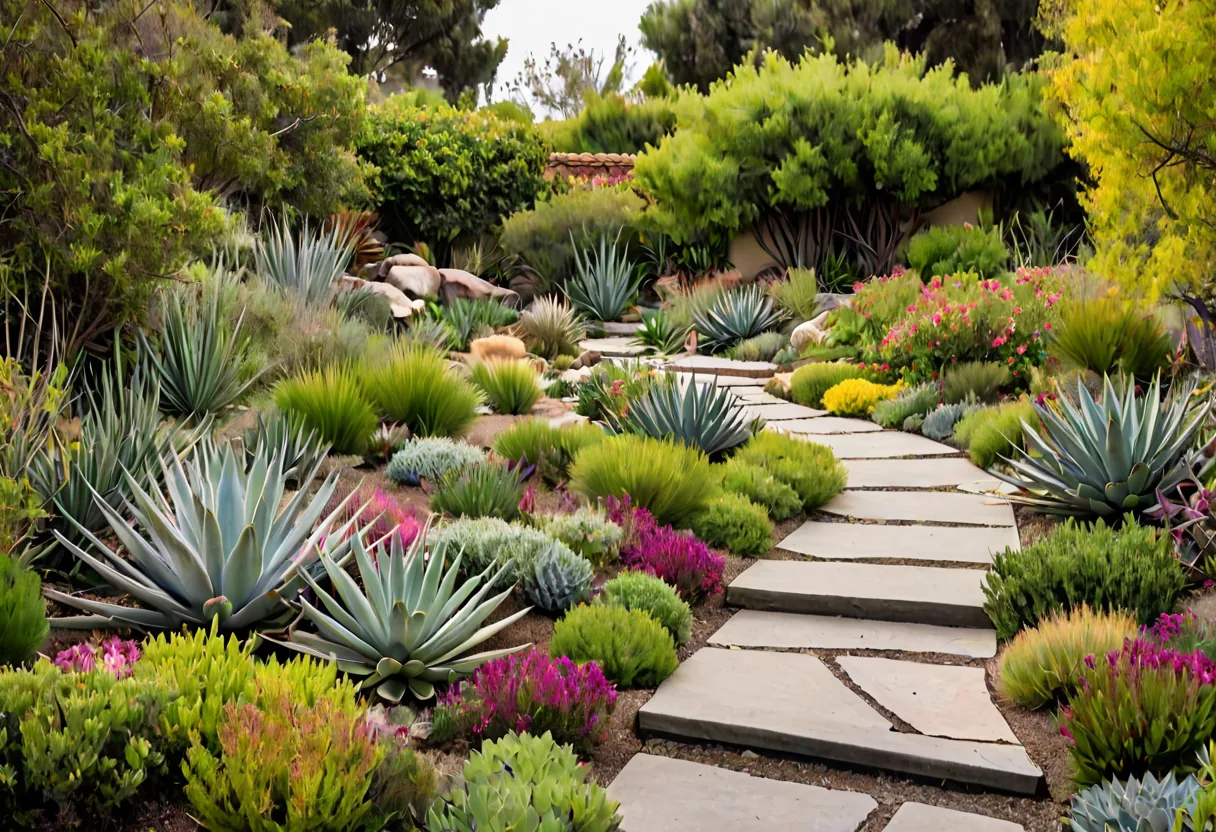
For a long time, water-wise meant a field of decomposed granite with three agaves in it. That version exists, it is cheap, and it is why a lot of people resist the idea.
It is also entirely avoidable. The Mediterranean and California native palette available here is enormous - layered, textural, and flowering across a long season. A good water-wise garden does not read as a compromise.
Design principles that matter
Hydrozoning first: group plants by water need so the irrigation can actually serve them properly, rather than watering everything to suit the thirstiest thing in the bed.
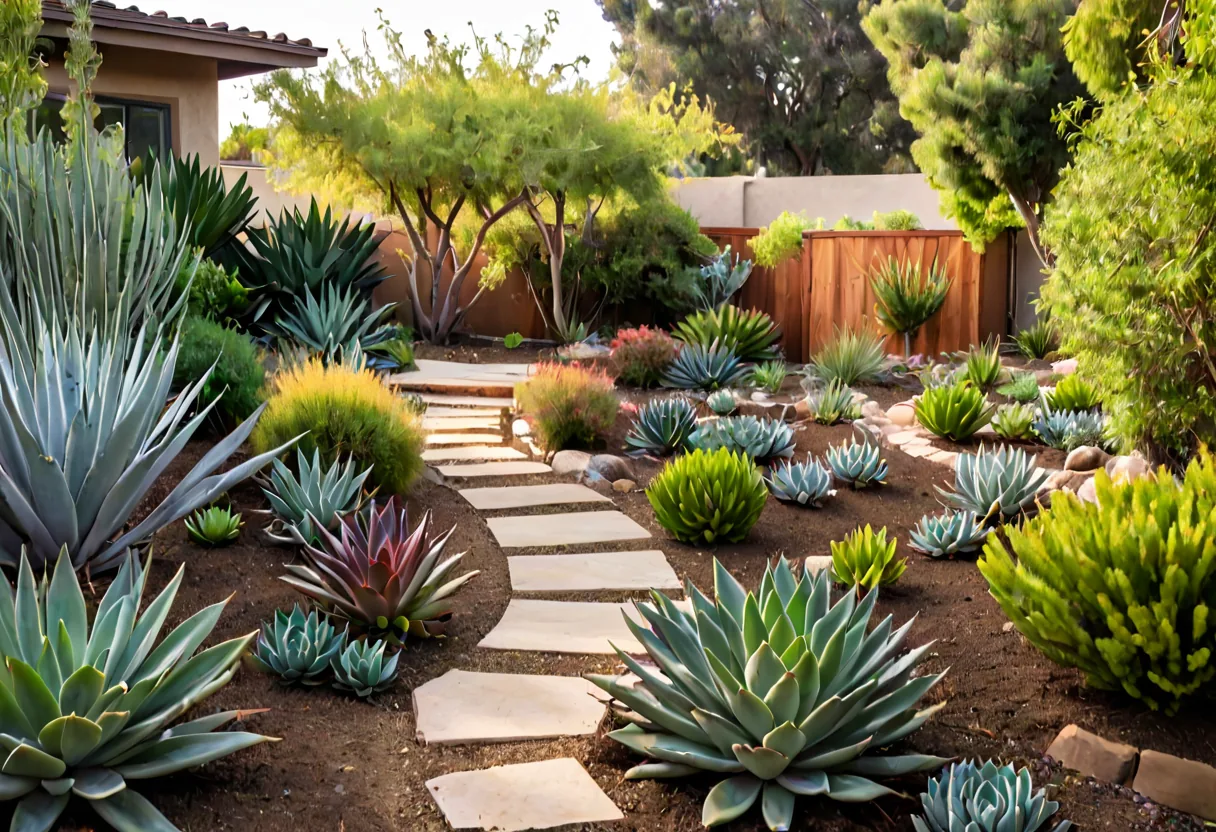
Layering second. The reason low-water gardens sometimes look sparse is that they are planted sparsely. Density, varied heights and repeated planting produce the lushness people associate with thirstier schemes.
Soil third, and it is the one most often skipped. Improving soil structure and mulching properly reduces water demand more than almost any plant choice, and mulch suppresses the weeds that otherwise compete for what water there is.
Irrigation is half the result
Drip rather than spray, zoned to match the hydrozones, on a controller that responds to weather rather than a fixed timetable. That combination typically uses a fraction of what a conventional system does for a better-looking garden.
It also fails quietly, which is the argument for monitoring. A broken drip line can run for weeks unnoticed - one reason a whole-property water monitor earns its place here.
Living with restrictions
Water restrictions are a recurring feature of life in San Diego, not an exceptional event. A garden designed for a realistic water budget from the start survives a restriction year without looking abandoned.
Retrofitting a thirsty garden into compliance during a restriction is the harder and more expensive path, and it usually means losing established planting.
Hydrozone, layer densely and fix the soil. Done properly, a low-water San Diego garden looks lush rather than sparse.