
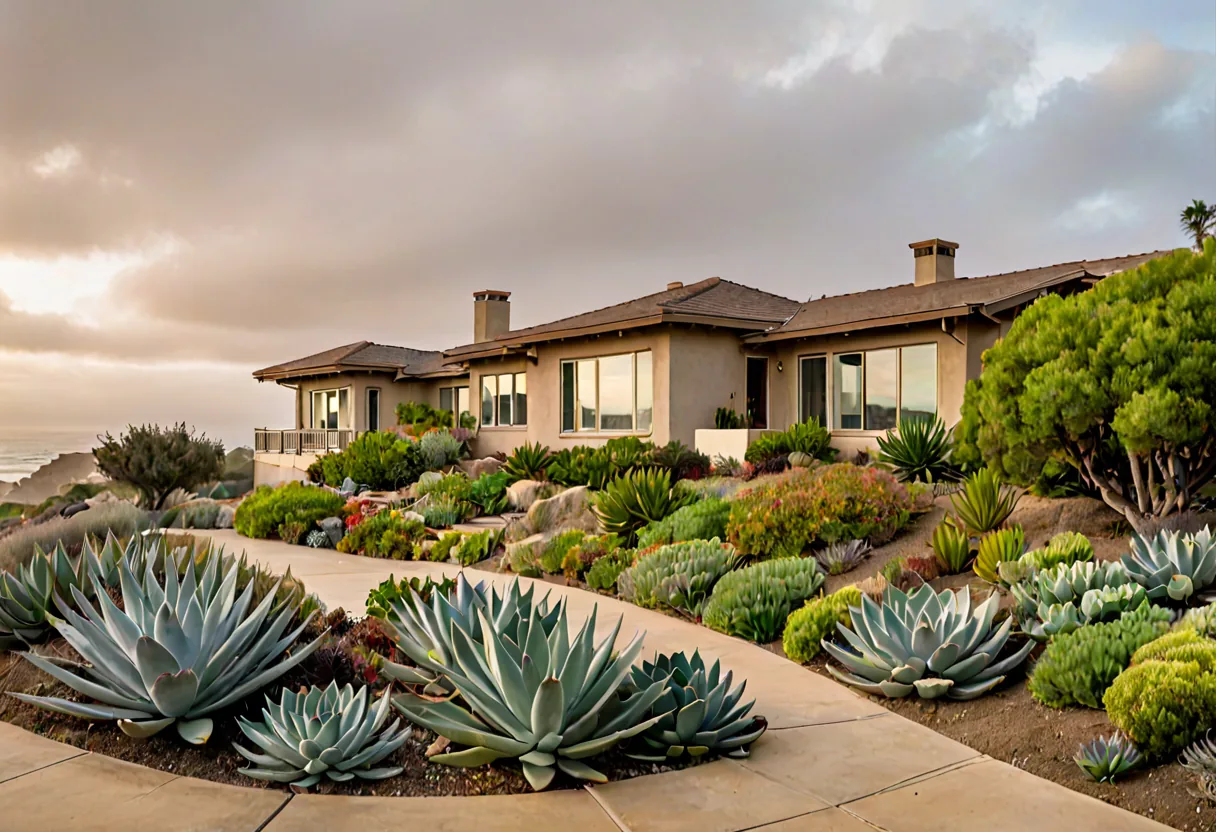
It is not just beachfront
Owners a few miles inland often assume salt is somebody else's problem. It is not - marine air carries further than people expect, and the morning damp of the marine layer keeps surfaces wet long enough for it to work.
The effect is gradual and mostly invisible, which is why it tends to be discovered rather than planned for.
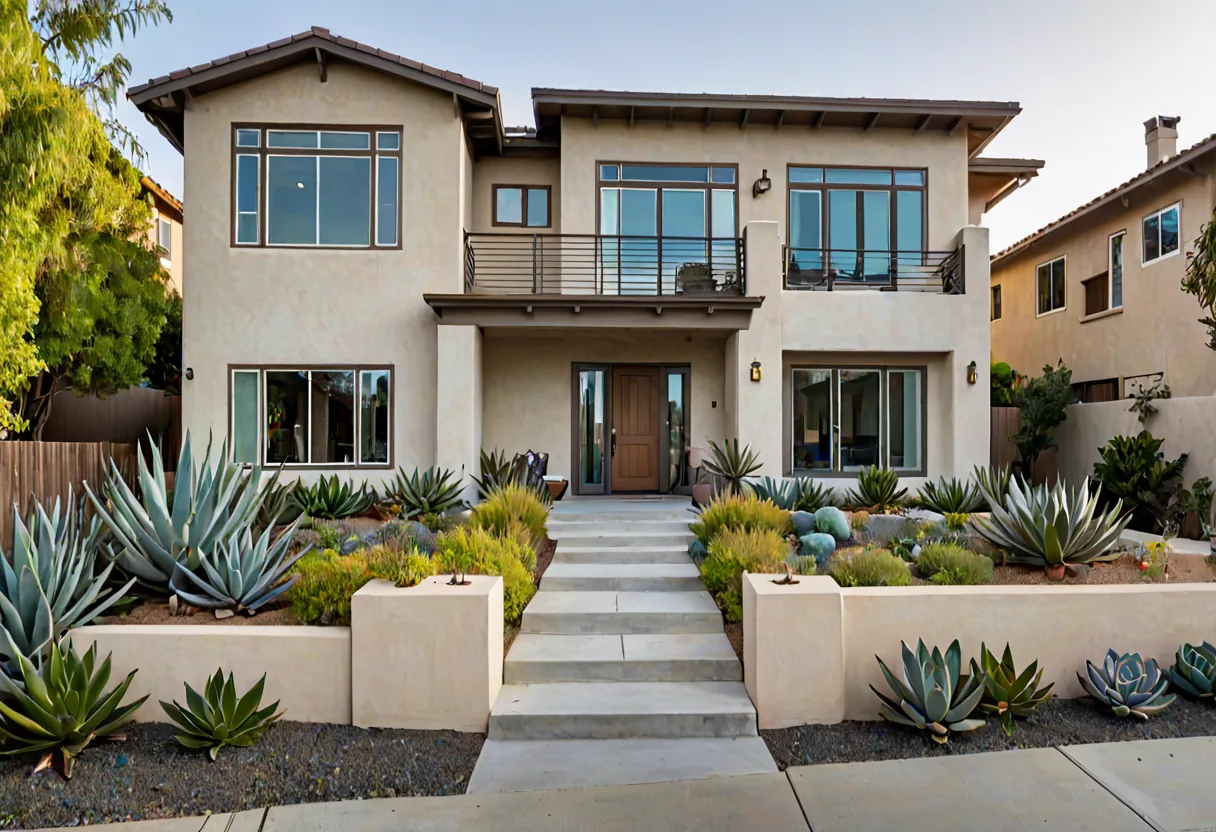
The fixings fail first
This is the single most useful thing to understand. It is rarely the visible product that gives out - it is the screw, bracket, hinge or fastener holding it. A beautiful railing with the wrong fixings is a short-lived railing.
Marine-grade stainless in exterior and near-opening applications is a baseline near the coast rather than an upgrade. It costs more per fixing and almost nothing relative to replacing what it holds up.
Where else it matters
Window and door hardware, particularly on the weather side. Light fittings and anything with a mechanism. Garage door springs and tracks. HVAC condensers, which sit outside and corrode quietly until they fail in a heatwave.
Exterior coatings matter too, though more for UV than salt. The combination is what shortens their life.
Where it does not
Interior finishes in conditioned rooms are not under the same attack, and there is little value in paying coastal premiums for them. A good specification here is deliberately uneven: it concentrates spend at the envelope, the openings and anything exposed, and takes a normal approach inside.
Ventilation is the interior counterpart. Morning damp plus poor extraction is how mould starts, and no coating fixes an air problem.
Spend on fixings, hardware and anything exposed. Salt takes the fastener before it takes the finish.