
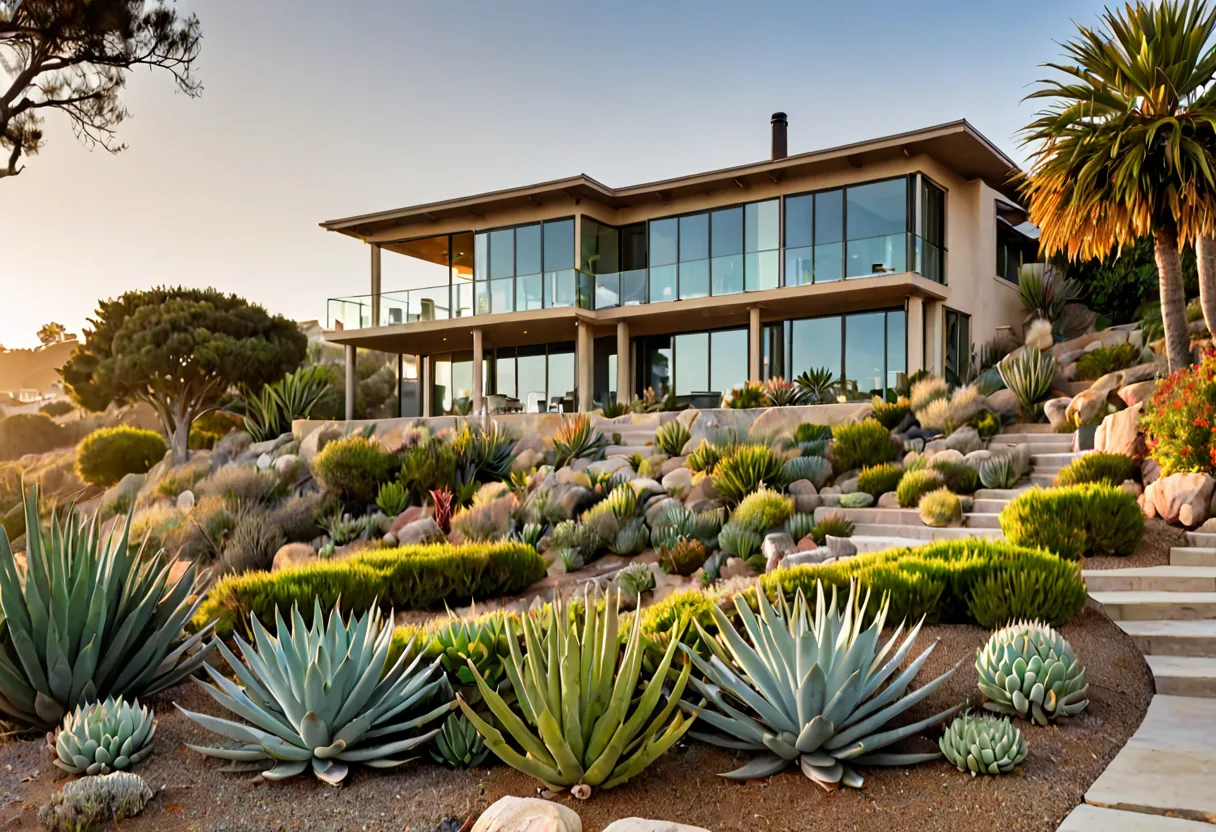
A separate approval, not a harder permit
Properties within coastal jurisdiction face review aimed at protecting public access to and views of the shoreline. It is a different question from whether your building is structurally sound, and it is assessed separately from the building permit.
The most common mistake is treating it as a formality that runs in the background. It has its own criteria and its own timetable, and a design that ignores it can be sound, code-compliant and still refused.
What it actually looks at
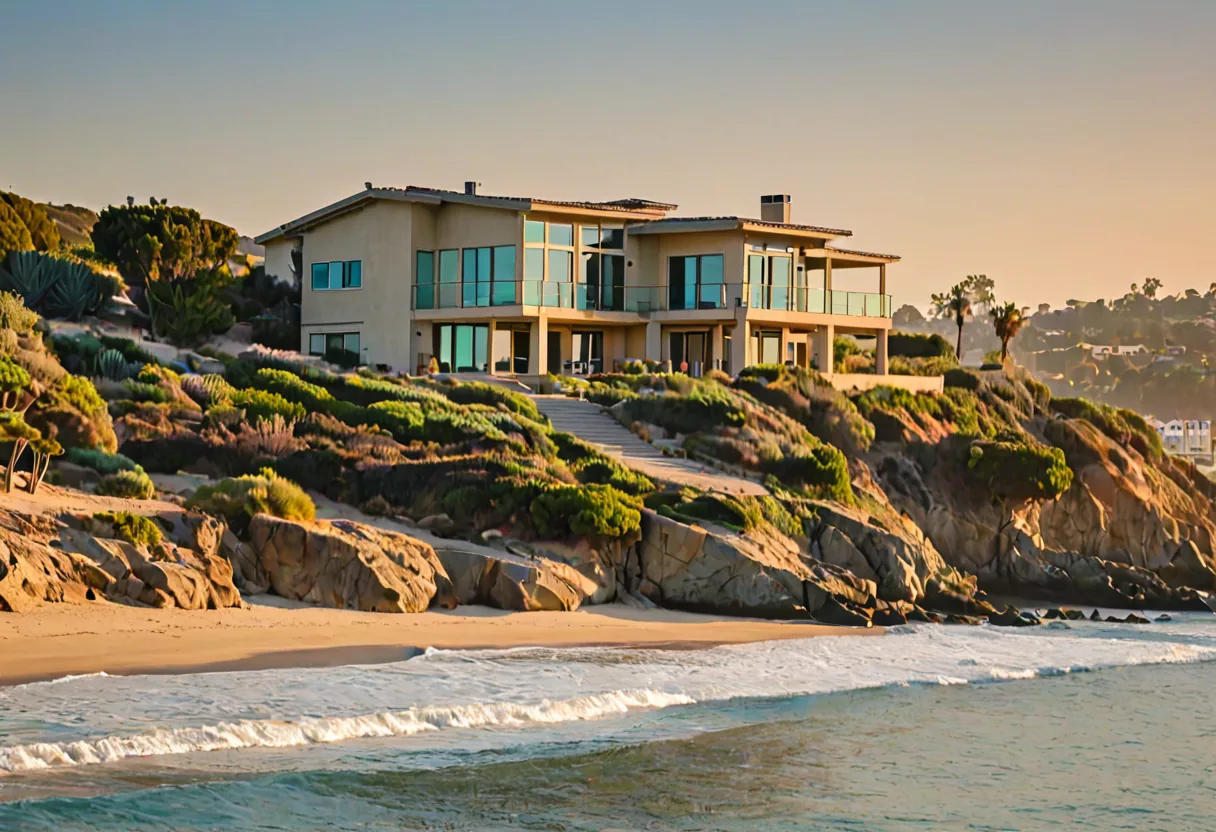
Height and bulk are the usual constraints - how much of the sky and the view your building occupies from public vantage points. View corridors matter, particularly on parcels between a public road and the water.
Public access is the other theme. Anything that could affect access to the shoreline, or the character of the area as experienced from public space, gets weighed.
Landscaping and lighting sometimes come into it too, especially where they affect habitat or spill light toward the shore.
Designing with it rather than against it
The projects that go smoothly are the ones where the constraints shaped the massing from the first sketch. Lower, wider, stepped-back forms tend to sit comfortably within coastal expectations, and there is a great deal of excellent architecture that came out of exactly those limits.
The projects that struggle are the ones that designed the building they wanted and then tried to argue it through. That is expensive in both fees and months.
Find out early
Whether you are within coastal jurisdiction is a question of your address, and it is one of the first things worth establishing - before you commission a design, not after.
If you are, budget for the additional review in your programme rather than assuming it runs concurrently and free. It is a real stage with real duration.
Coastal review is a separate approval with its own criteria. Check your address first, then design within the envelope rather than arguing with it.