
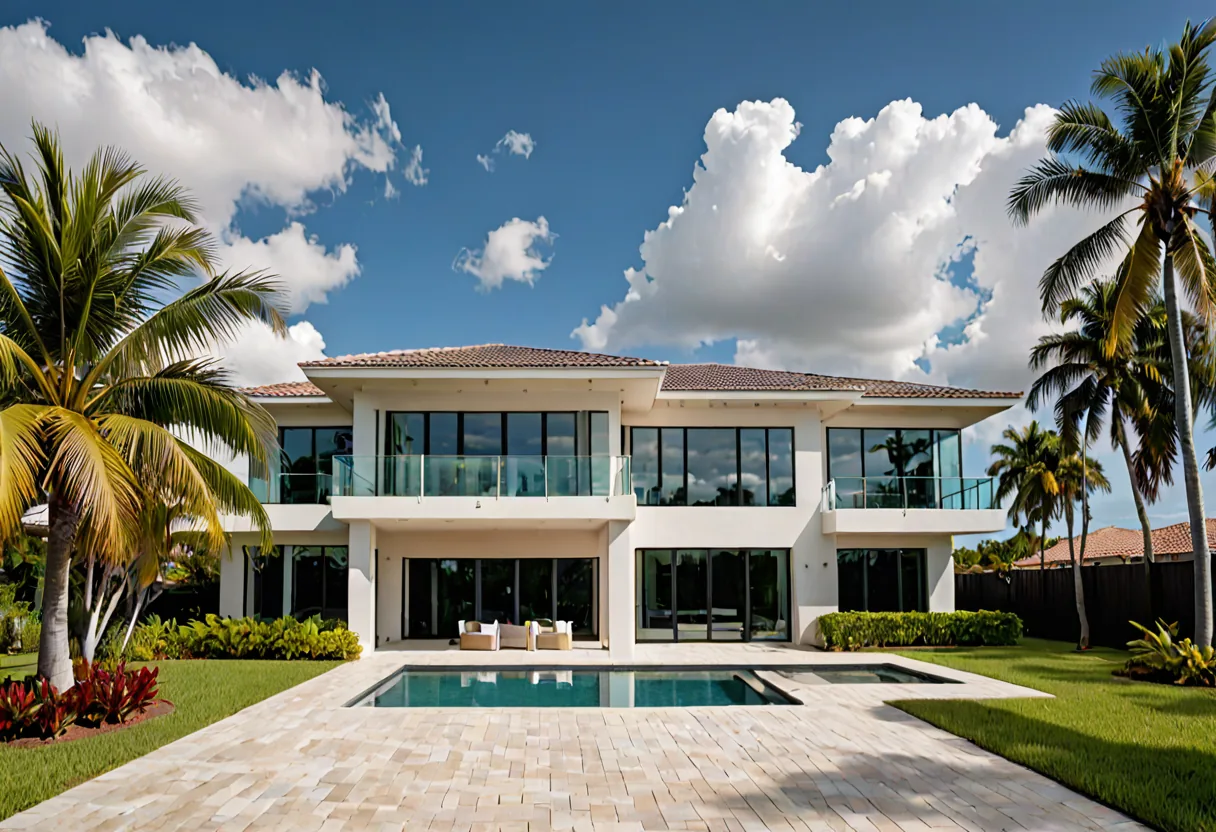
Why Broward is treated differently
Most of the United States builds to wind standards that assume a storm is an occasional event. South Florida does not have that luxury. Broward and Miami-Dade sit inside what the Florida Building Code calls the High-Velocity Hurricane Zone, and the provisions that apply there are the strictest in the country.
For a homeowner planning a remodel, this is the single factor most likely to surprise you. Work that would be routine elsewhere carries requirements here that affect design, materials, cost and programme.
The continuous load path
The governing idea is that wind forces have to travel from the roof, through the walls, into the foundation, without a weak link. That path is only as strong as its worst connection, which is why roof-to-wall connections, fastener schedules and sheathing attachment all get specified and inspected.
It matters for remodels because opening up a structure can interrupt that path. Removing a wall, widening an opening or adding a room is not simply a question of putting in a beam big enough to hold the load above it. The connection detail has to carry uplift as well as gravity.
Openings are the weak point
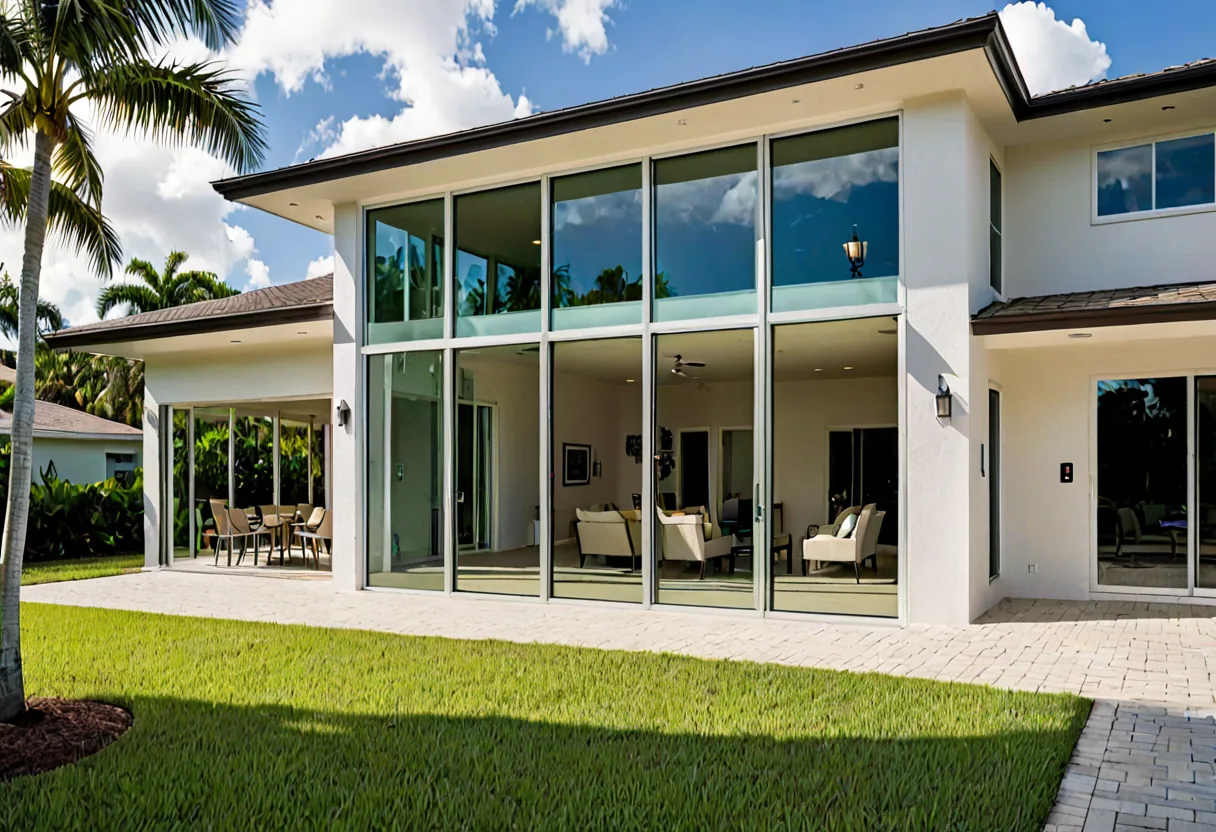
Windows and doors are where a building is most vulnerable. If an opening fails in high wind, the building pressurises internally and the roof is far more likely to go with it. This is why impact-rated assemblies with tested pressure ratings are required rather than encouraged, and why the specific product approval matters, not just the marketing description.
Any new or enlarged opening in an exterior wall will need engineering and a rated assembly. If you are dreaming of a wider slider onto the terrace - a very common request here - budget for that from the outset rather than discovering it at plan review.
What this means in practice
Three things follow. First, drawings that ignore these provisions do not get permitted, so the design stage is where the cost is really set. Second, contractors quoting significantly below the market may not have priced compliant assemblies - worth asking directly. Third, the work is inspected in stages rather than only at the end, because much of what matters is invisible once the finishes go on.
None of this is a reason to be discouraged. It is a reason to start with someone who designs to these requirements as a matter of course, rather than treating them as an obstacle discovered halfway through.
The hurricane provisions are not paperwork - they shape structure, openings and sequencing. Design for them from day one and they cost far less than discovering them at plan review.