
Why the choice matters more here
A roof in South Florida is not just weather protection. It is the structural element that decides how a building performs in a storm, and it sits under relentless UV and salt-laden air for the rest of the year. Products that last decades in a mild climate can wear out here noticeably faster.
Concrete and clay tile
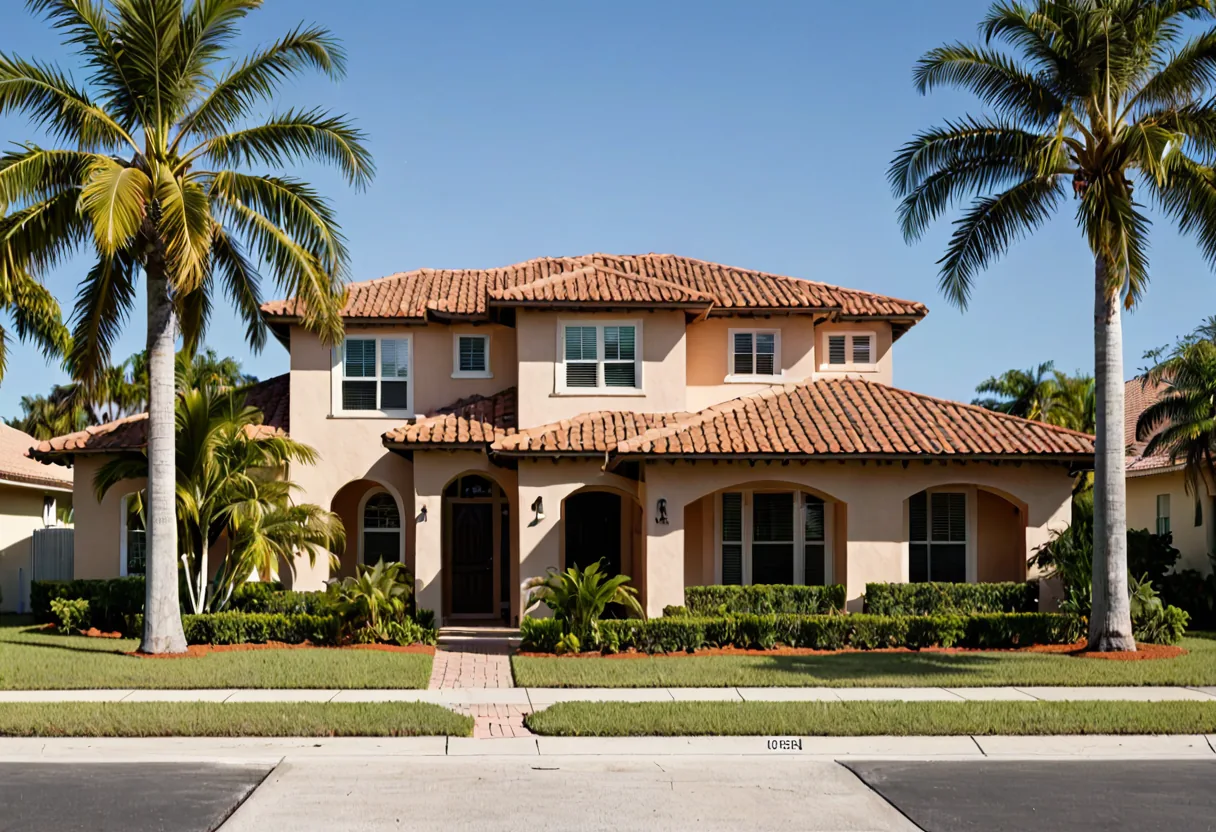
Tile is the regional default and looks it - most of the architecture here was designed with it in mind. It handles sun and salt well and has a long service life.
The trade-off is weight. Moving from a lighter covering to tile means the structure has to be assessed, and that can add cost. Individual tiles can also be displaced in high wind, though the underlayment beneath is what actually keeps water out.
Standing seam metal
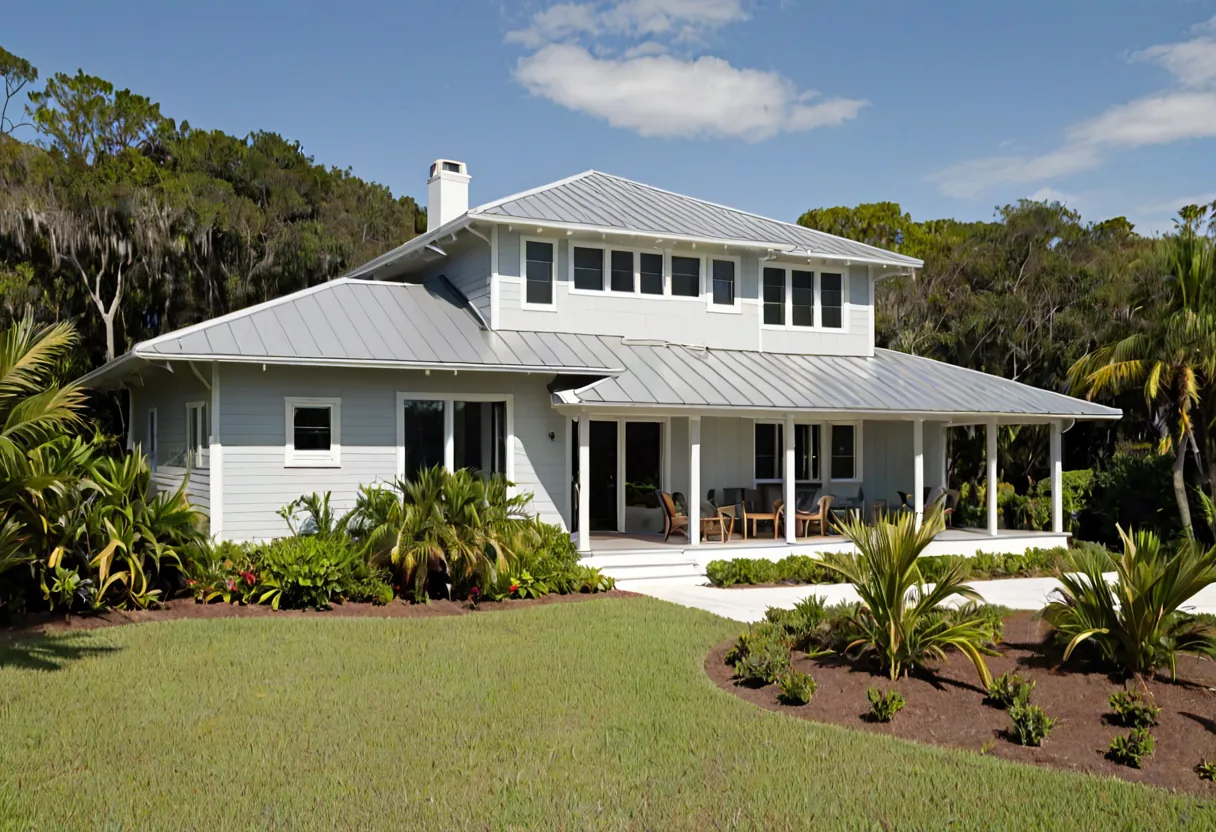
Metal performs extremely well in wind, sheds water fast and lasts a long time. It suits modern and coastal architecture, and it is lighter than tile.
The costs are up-front price and detailing. Metal is unforgiving of poor workmanship at penetrations and flashings, so it rewards an experienced installer. Coastal exposure also makes fastener and panel metallurgy a real specification question rather than a footnote.
Architectural shingle
Shingle is the most economical route with the widest colour range, and a good shingle system properly installed is a legitimate choice.
Its weakness here is service life. Heat and UV age shingles faster in South Florida than in most of the country, so it tends to suit shorter ownership horizons or budgets where the up-front difference matters more than the replacement cycle.
The factor people forget
Insurance. Carriers price policies partly against wind-mitigation features, and roof covering type, age, deck attachment and roof-to-wall connections are all part of that assessment. A properly documented roof replacement is worth having recorded correctly, whichever covering you choose.
There is no universally right answer. The right roof depends on your building's structure, your exposure, your budget and how long you plan to own the property.
Tile, metal and shingle are all valid here. Choose on structure, exposure and ownership horizon - and make sure the work is documented for your insurer.