
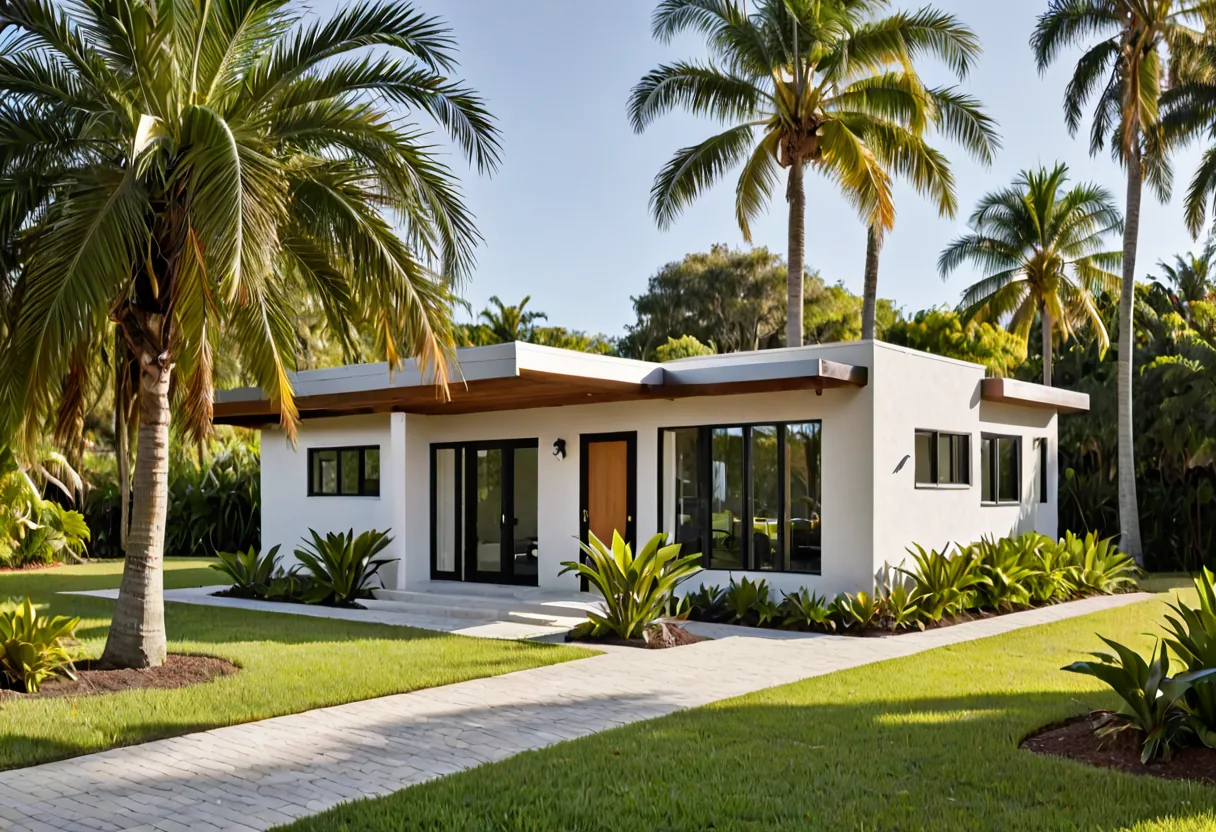
What an ADU actually is
An accessory dwelling unit is a second, self-contained home on a lot that already has one, with its own entrance, kitchen and bathroom. That last part matters: adding a bedroom is a room, adding a kitchen and bathroom makes it a dwelling, and different rules apply.
People build them for ageing parents, adult children, visiting family or rental income. Given what land costs in Fort Lauderdale, the appeal is easy to understand.
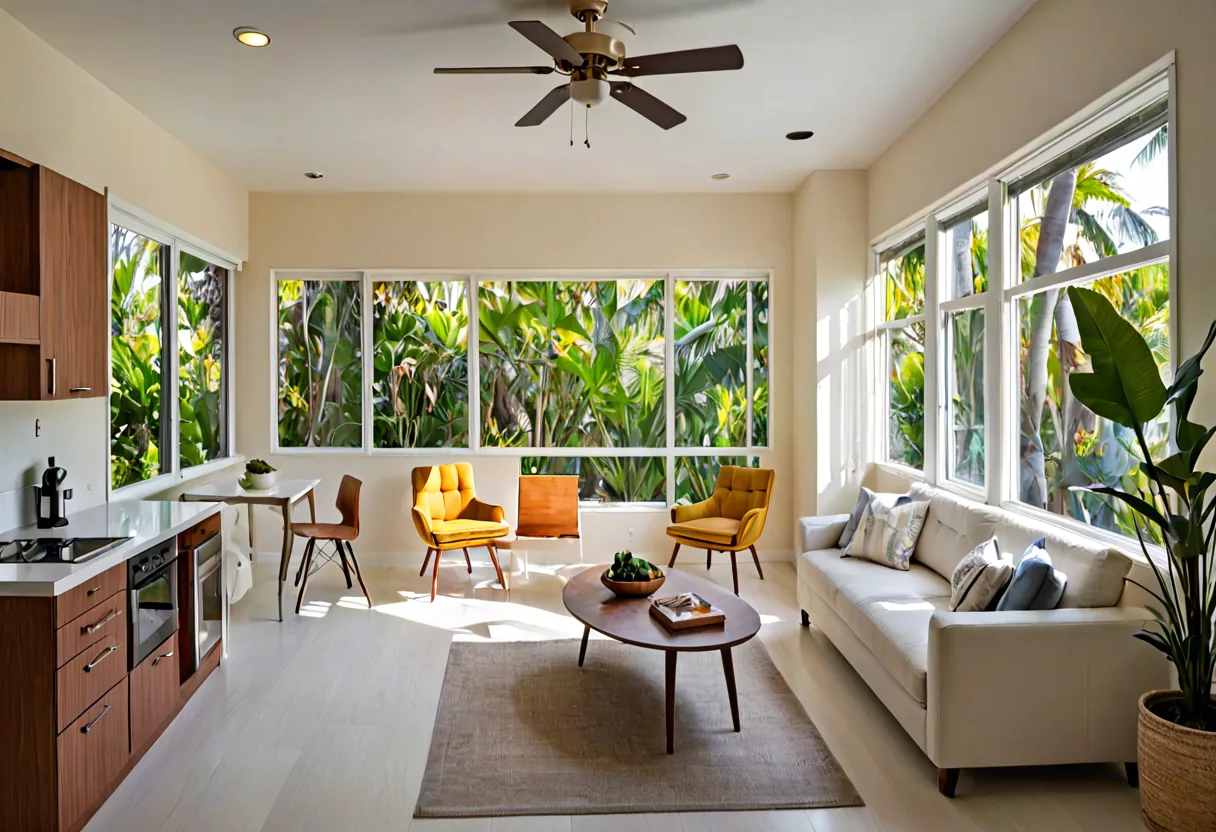
Zoning decides it, not the budget
The honest answer to "can I build one?" is that it depends on your specific parcel. Permitted unit size, setbacks, maximum lot coverage, building height and whether an additional parking space is required all vary by zoning district, and whether a detached unit is allowed at all can vary too.
This is why feasibility comes before design. An ADU designed first and zoned second usually has to be redrawn, and occasionally abandoned. It is a far cheaper conversation to have at the start.
The practical constraints
Lot coverage is the one that catches people most often. Adding a second building consumes allowance you may also want for a pool, terrace or driveway, and those decisions compete with each other.
Flood elevation applies here too. On lower-lying lots a new dwelling may need its finished floor raised, which changes the foundation, the access and the appearance of the building.
Utilities are a decision rather than a constraint. A shared connection costs less up front; separate metering costs more but makes a rental much simpler to run. Worth deciding deliberately.
If the plan is rental income
Confirm the rules before you build, not after. Long-term rental and short-term rental are treated differently, and short-term rules in particular vary by municipality and change over time. If the financial case depends on a particular rental model, that assumption is worth testing first.
Whether you can build an ADU is a zoning question about your specific lot. Establish that first - it costs almost nothing and it decides everything else.